
- 2026-10-12
- Posted by: kimsite
- Categories: Insights, Volume Analysis
DOJI Know? The Ranks Try to Reassemble
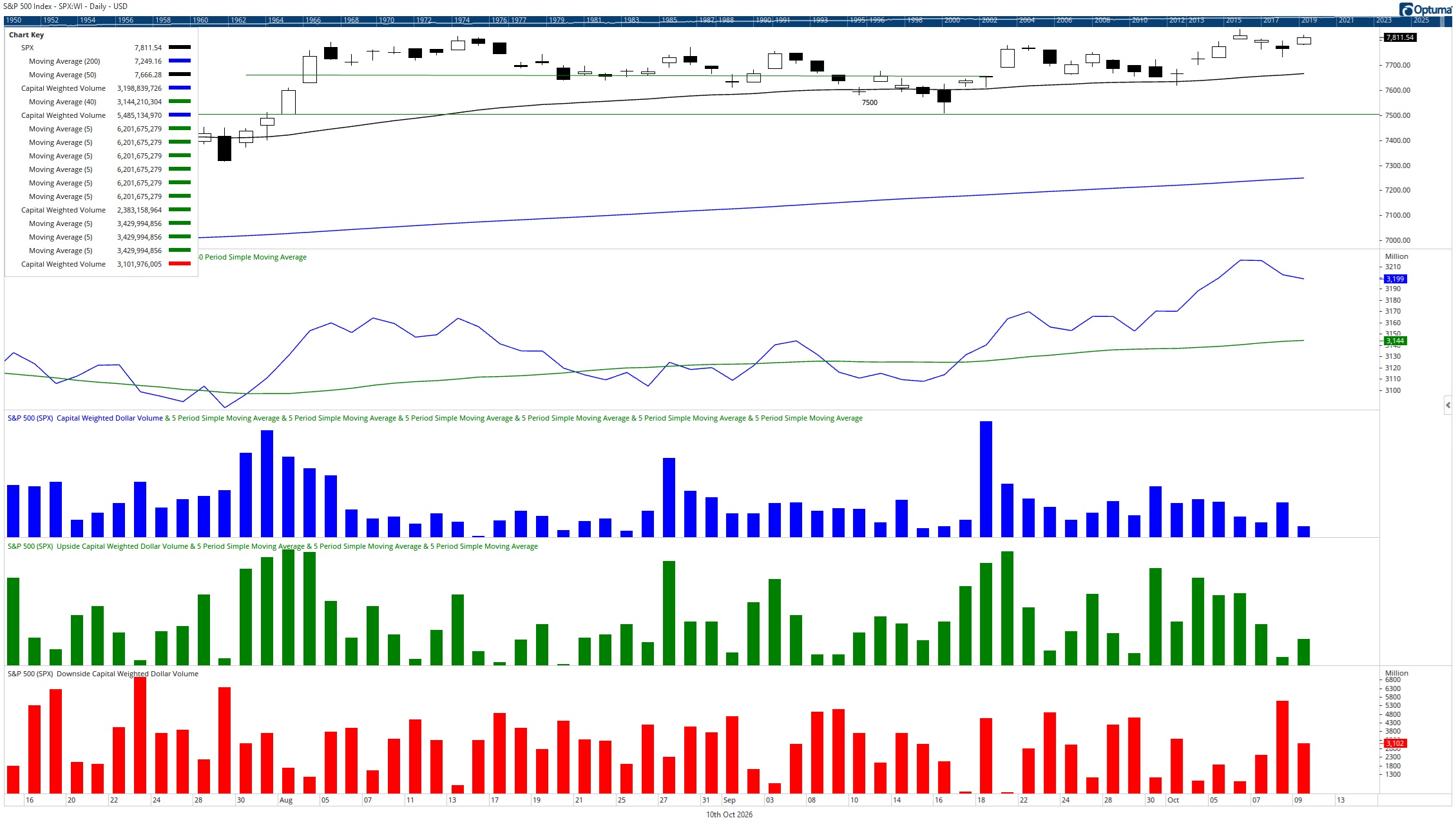
After last Friday’s S&P 500 doji on high upside Capital Weighted Volume, Monday opened the campaign with force as more than 75% of Capital Weighted Volume moved to the upside. Tuesday followed with the S&P 500 closing at a new all time high and reaching 7845 on a 90% upside volume day. The bulls appeared to have broken through the first line of resistance.
Then the battlefield became less clean. Wednesday failed to deliver follow-through. Thursday brought the highest volume of the week, but 75% of Capital Weighted Volume moved to the downside. Friday traded higher on price, but 60% of Capital Weighted Volume still registered to the downside. In short, the bulls advanced, but the supply report was not as commanding as the price map suggested.
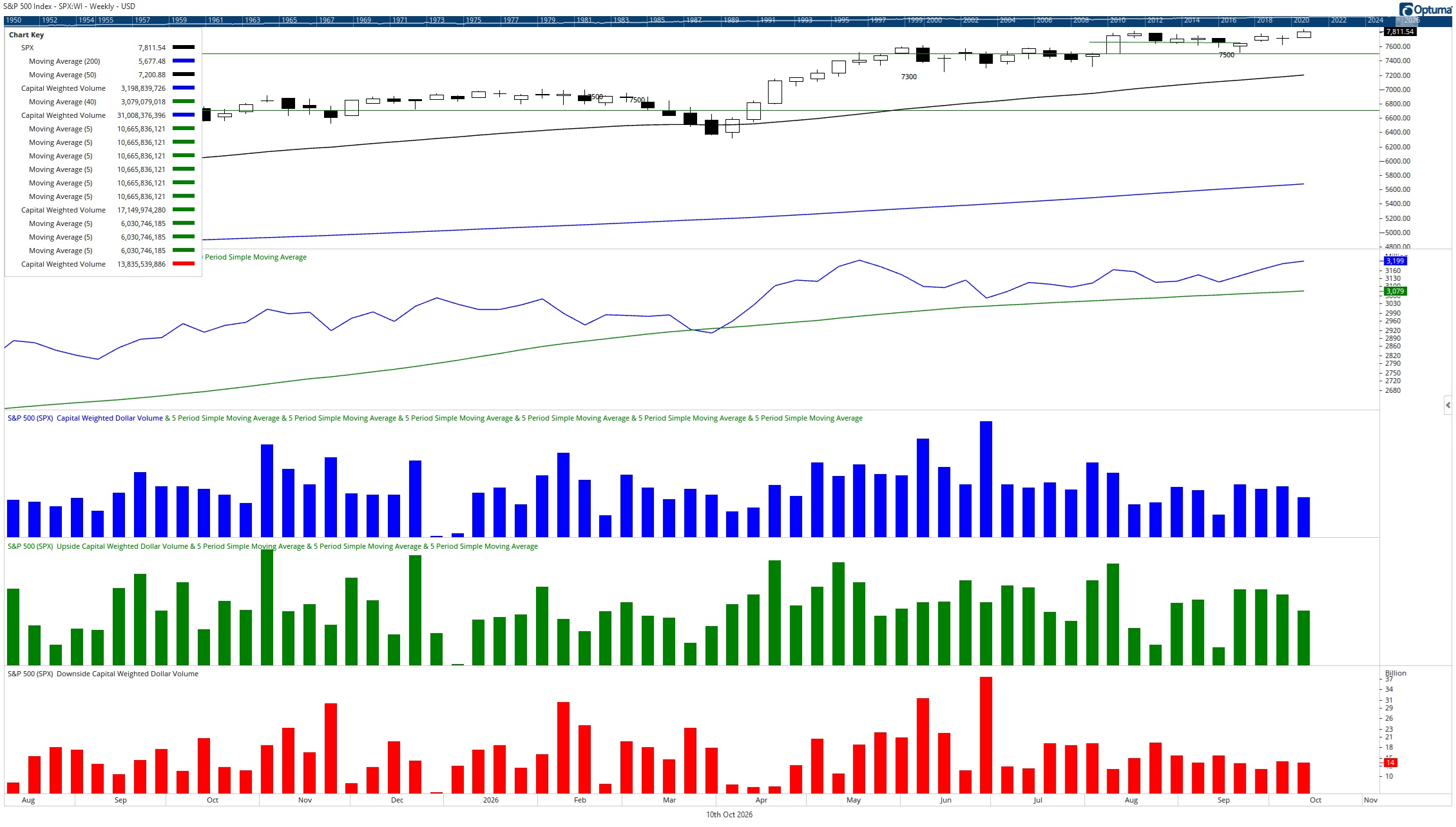
For the week, both Capital Weighted Volume and Capital Weighted Dollar Volume were a little light, with 55% registering to the upside and as inflows. The weekly trends of both Capital Weighted Volume and Capital Weighted Dollar Volume continued to move higher, but at a slower rate of change than in prior weeks. This is still constructive, but the pace of confirmation has moderated. This distinction remains central. Price tells us what investors have already done, while volume tells us whether they did it with conviction. The market can glide for a while on momentum, sentiment, and narrative, but without volume confirmation, the climb is made on thinner air.
The S&P 500’s message was one of progress, but not complete command. Price broke higher early in the week, then spent the balance of the campaign digesting those gains. The index remains above key short-term support at 7700 with 7900 and rising as the battlefield high ground.
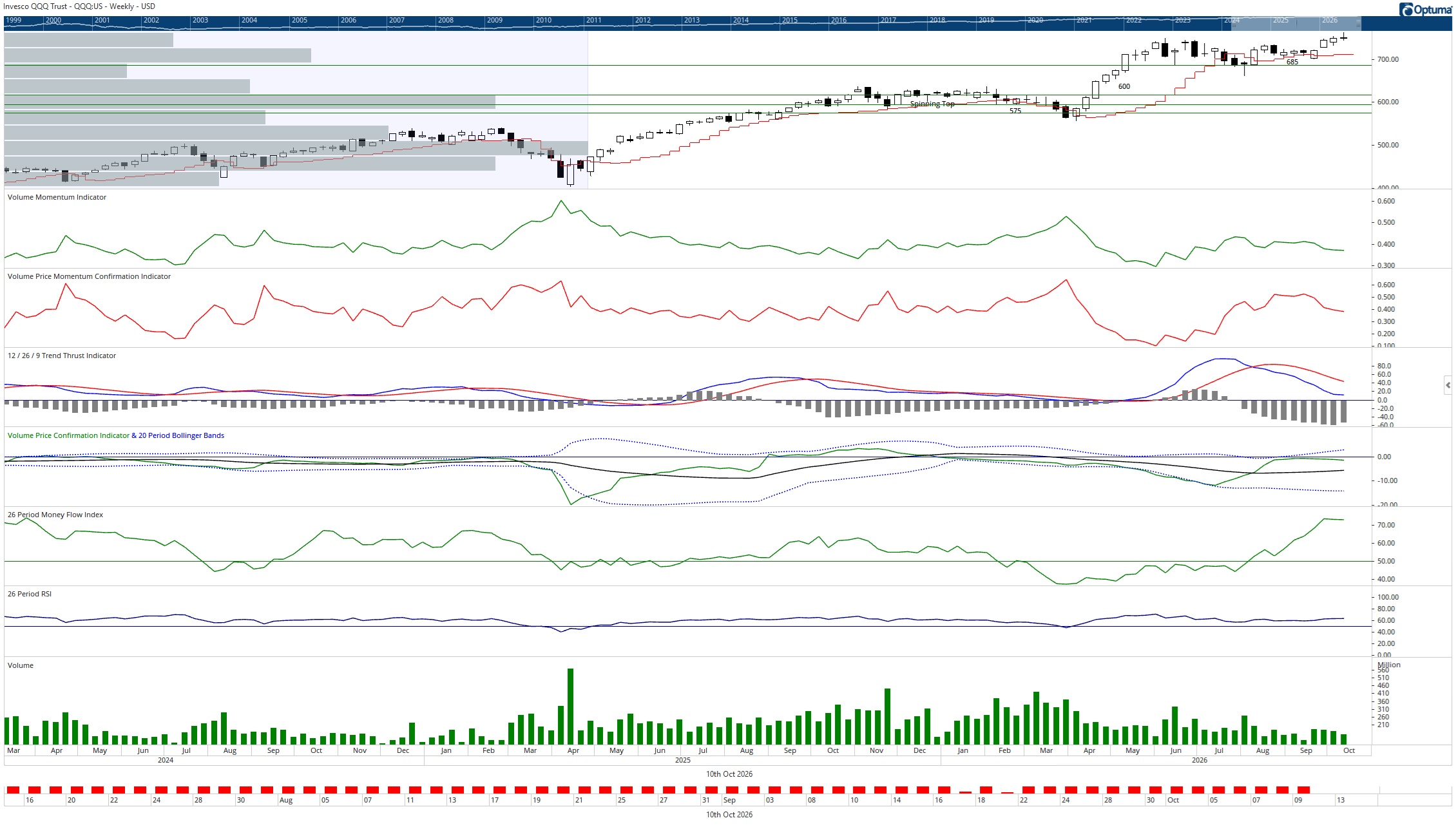
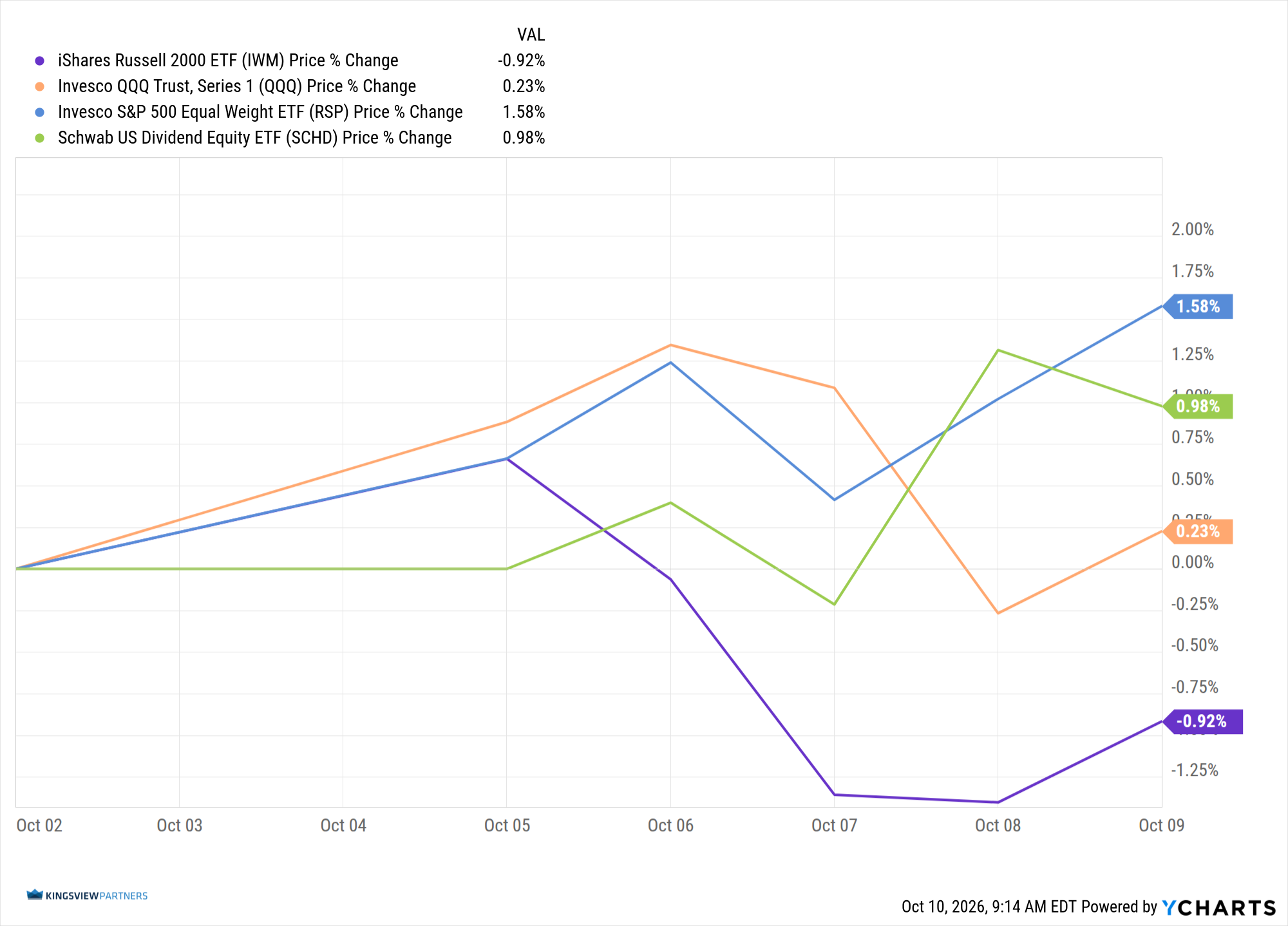
The generals, represented by the Invesco QQQ Trust Series 1 (QQQ), broke above the much watched 750 resistance line, rallied to new all-time highs on both an intraday and closing basis, and finished the week slightly above 750, up just 0.23%. However, the generals did not advance much from Monday’s opening surge, printing yet another doji of indecision. This suggests a pause, not a defeat. The generals still hold command, but after leading the march to new heights, they may need a brief reprieve.
The short-term bullish case is straightforward. The generals break out, hold above 750, and pull the capital-weighted S&P 500 higher with them. That would support the headline advance and could extend the campaign. The longer-term risk is more subtle. The worst scenario for the bulls, and the best scenario for the bears, would be for the generals to break out and pull the capital-weighted S&P 500 higher while the troops, lieutenants, brass commanders, and broader market measures break support. That would widen the divergence between the narrow command and the broader army.
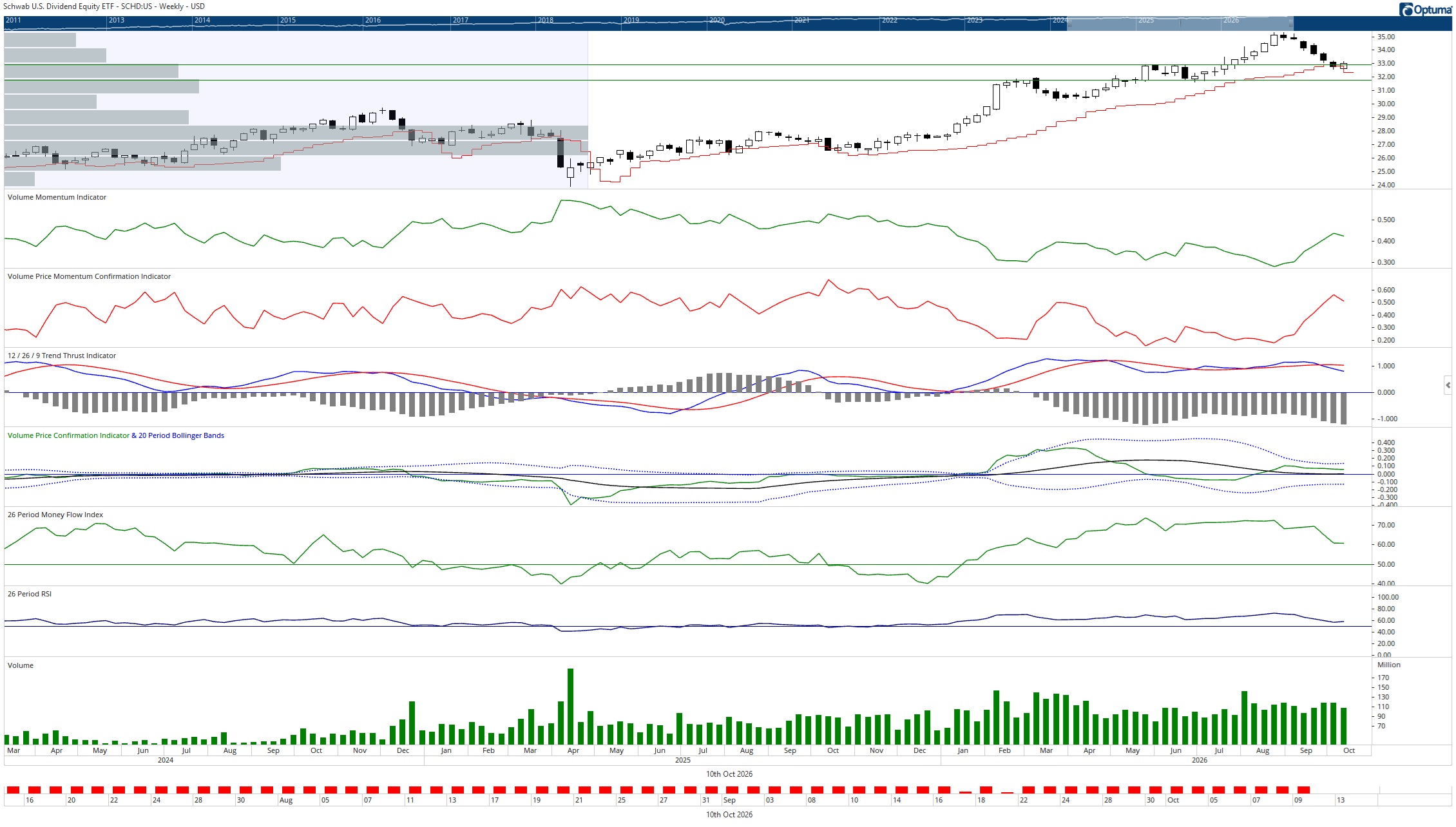
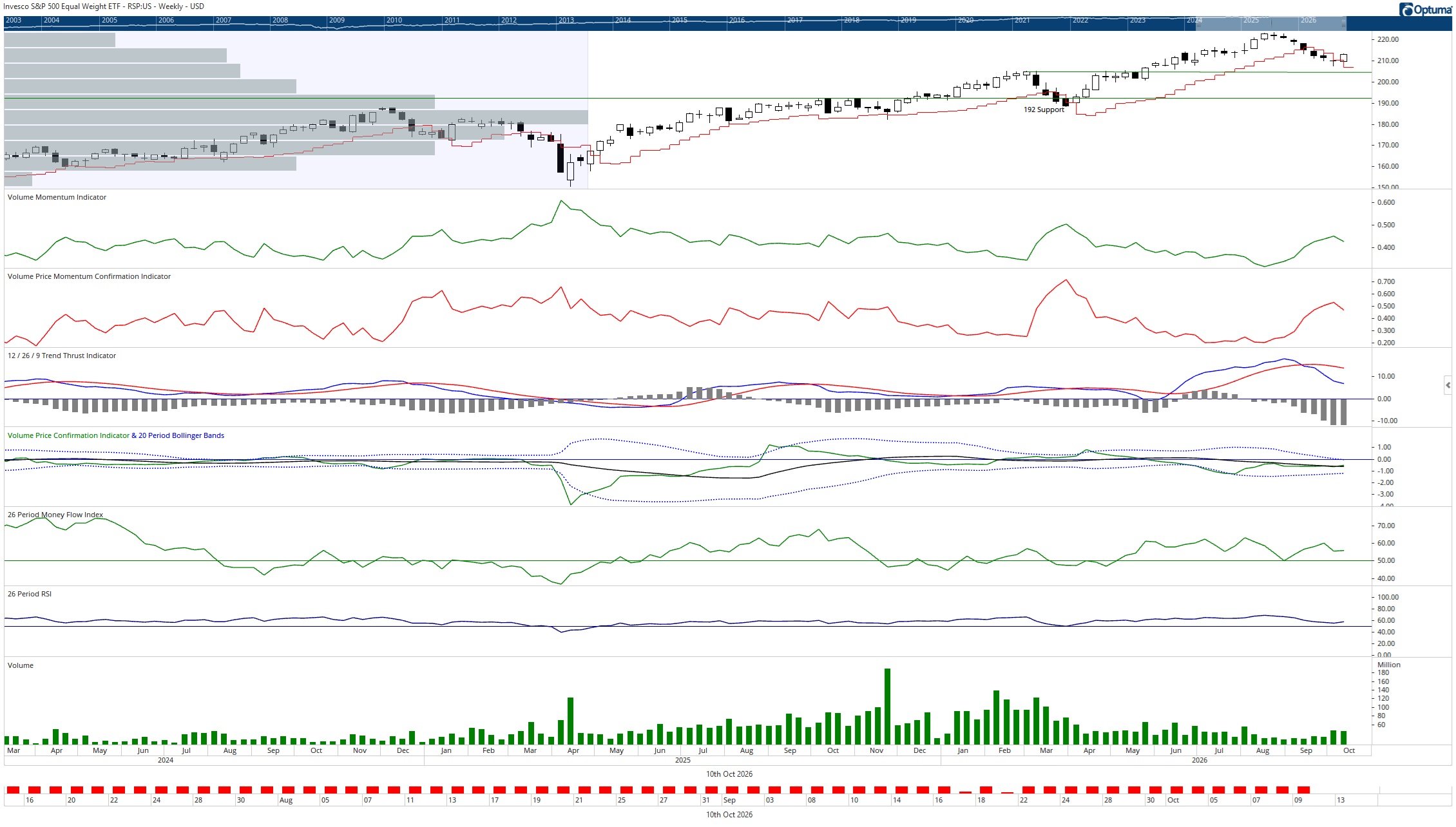
After nearing support last week on their own doji formations, most of the broader regiments attempted to reestablish themselves. The lieutenants, represented by the Invesco S&P 500 Equal Weight ETF (RSP), led all units with a 1.58% gain. That was an encouraging sign from the belly of the market. The dividend brass commanders, represented by the Schwab U.S. Dividend Equity ETF (SCHD), followed with a 0.98% advance. Both units remain below prior highs, but their rebound suggests the broader ranks are not yet abandoning the field.
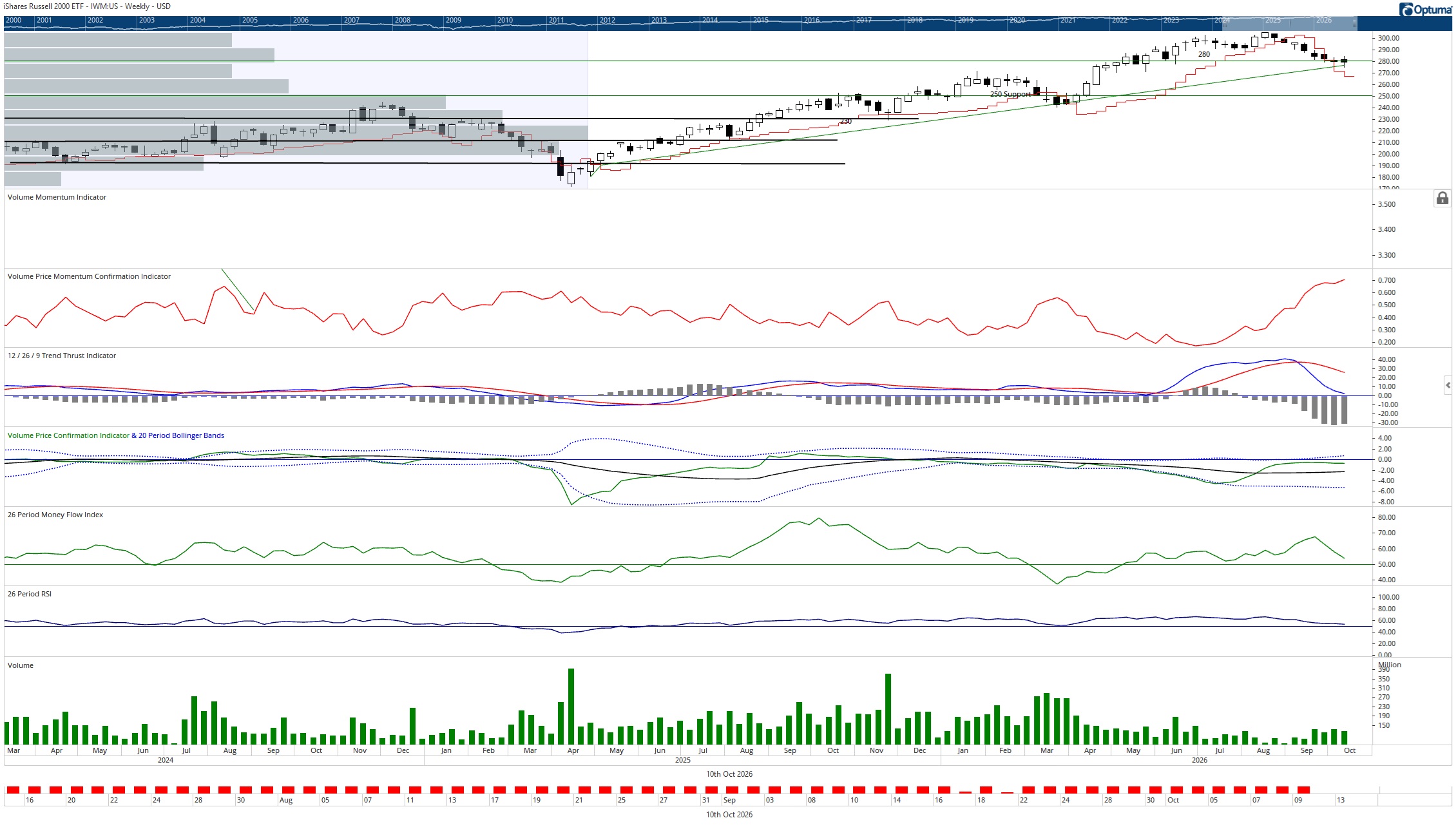
The troops, represented by the iShares Russell 2000 ETF (IWM), were the only major regiment to finish lower, falling -0.92%. They closed slightly below 280 support but continued to hold the more significant trend line support near 276. Importantly, the troops made both a higher high and higher low versus the prior week. That casts a light of hope on an otherwise negative weekly return. However, the small cap line remains fragile. A sustained break below 276 would weaken the broadening thesis. A recovery back above 280, followed by improved volume, would help the troops rejoin the advance.
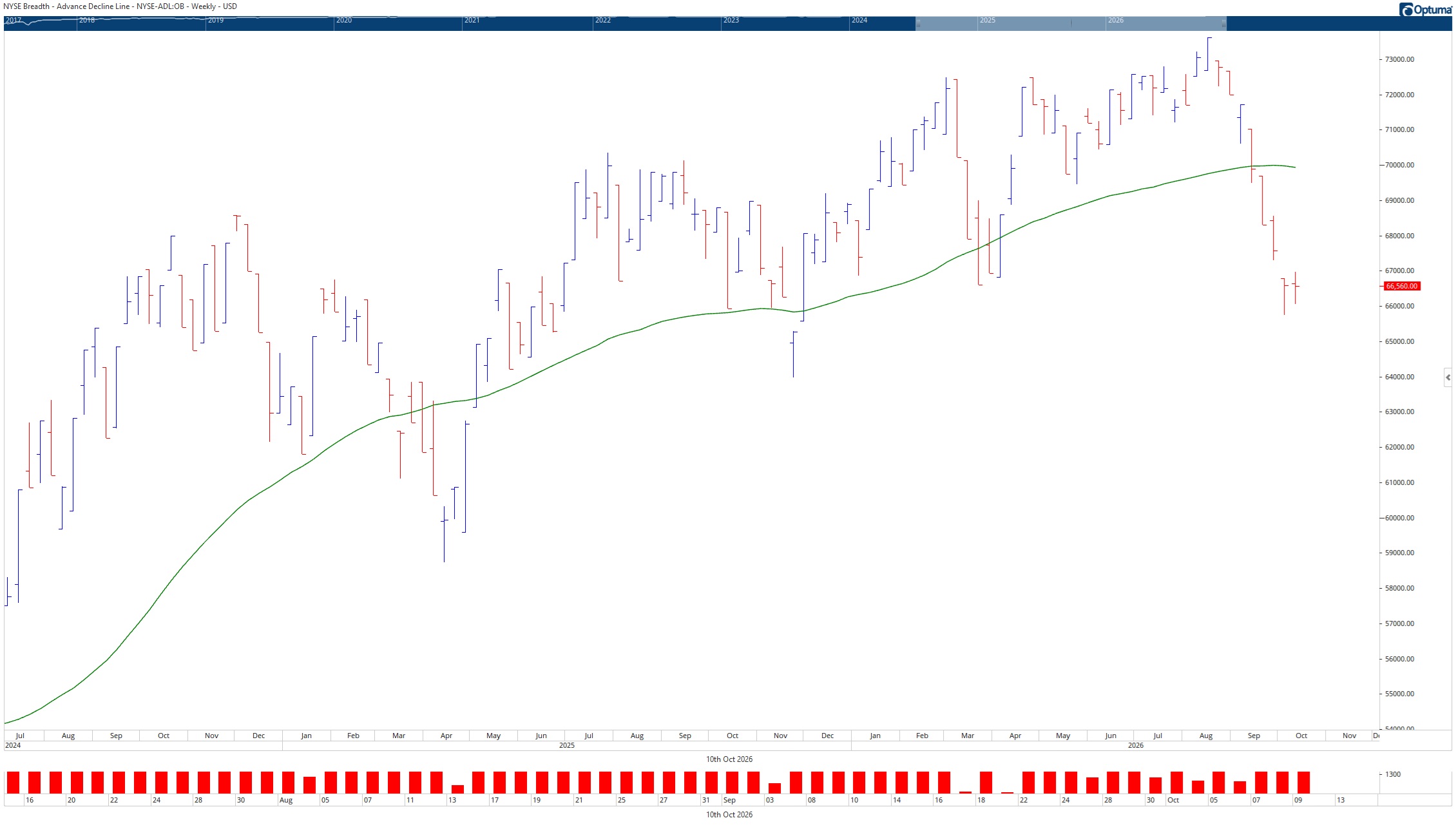
The NYSE Advance Decline Line made a higher low and a higher high versus the prior week, but closed near the same level. The broader battlefield remains unsettled. The ranks are trying to regroup, but they have not yet resumed a unified march.
This is no longer a young bull market. Mature bull markets require the structure of broad participation, not merely the strength of a few elite generals. A young bull market can survive narrow and speculative leadership for a time. A healthier, mature bull market typically broadens, deepens, and draws support from multiple sectors, factors, and themes. A tired bull market, by contrast, often makes new highs on thinner participation while institutions distribute into strength. This fits the larger transition tape discussed in the Second Half Outlook. The conversation should not simply be, are we bullish or bearish? The better question is where participation is improving, where volume is confirming, and where price is running ahead of sponsorship.
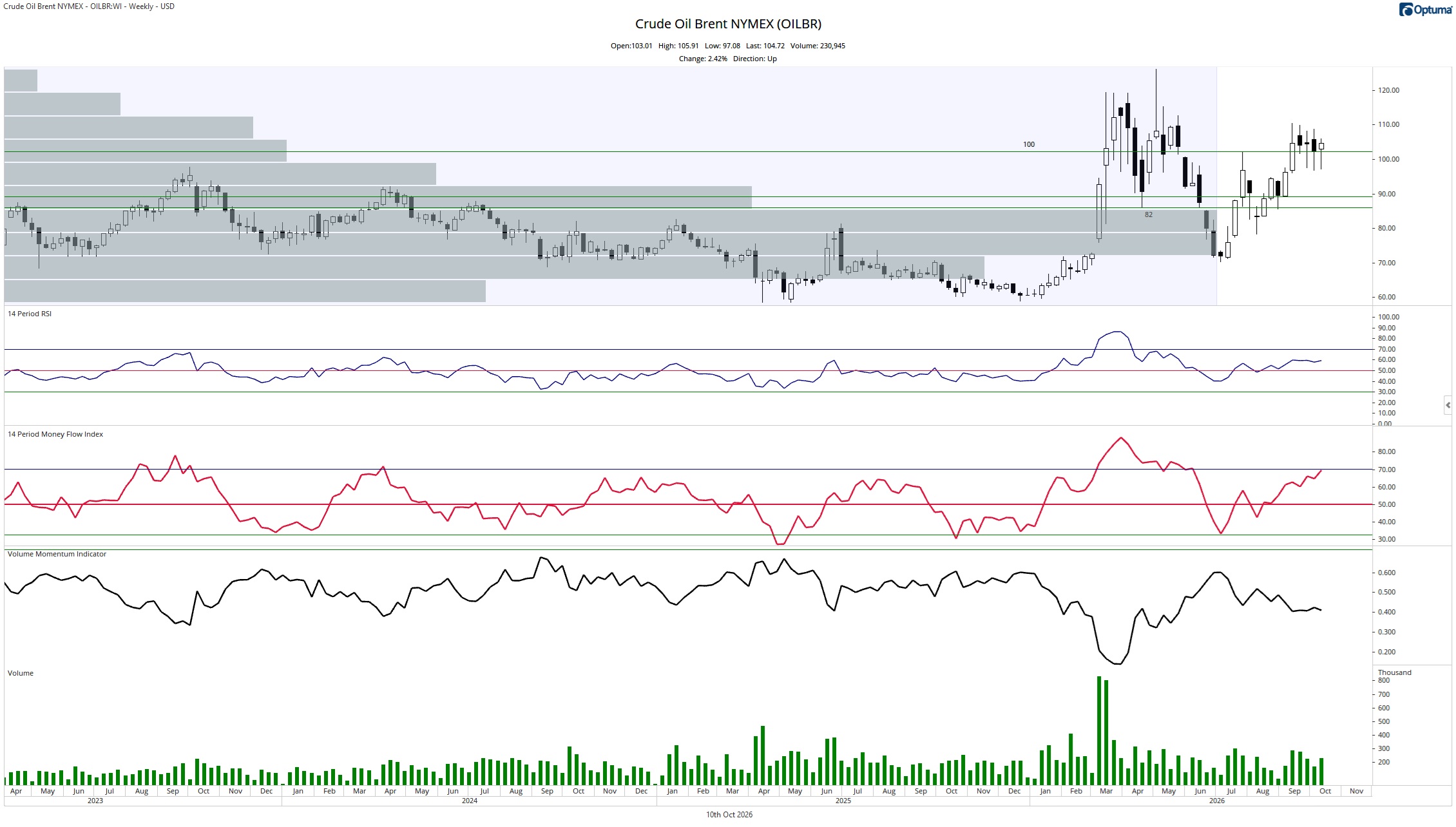
Oil, represented by NYMEX Brent crude, traded higher but remained completely within the prior week’s range. The energy front is active, but not decisive. The move higher keeps oil relevant as a potential hedge, but the lack of a clean breakout suggests the market is still treating the war premium as contained rather than resolved.
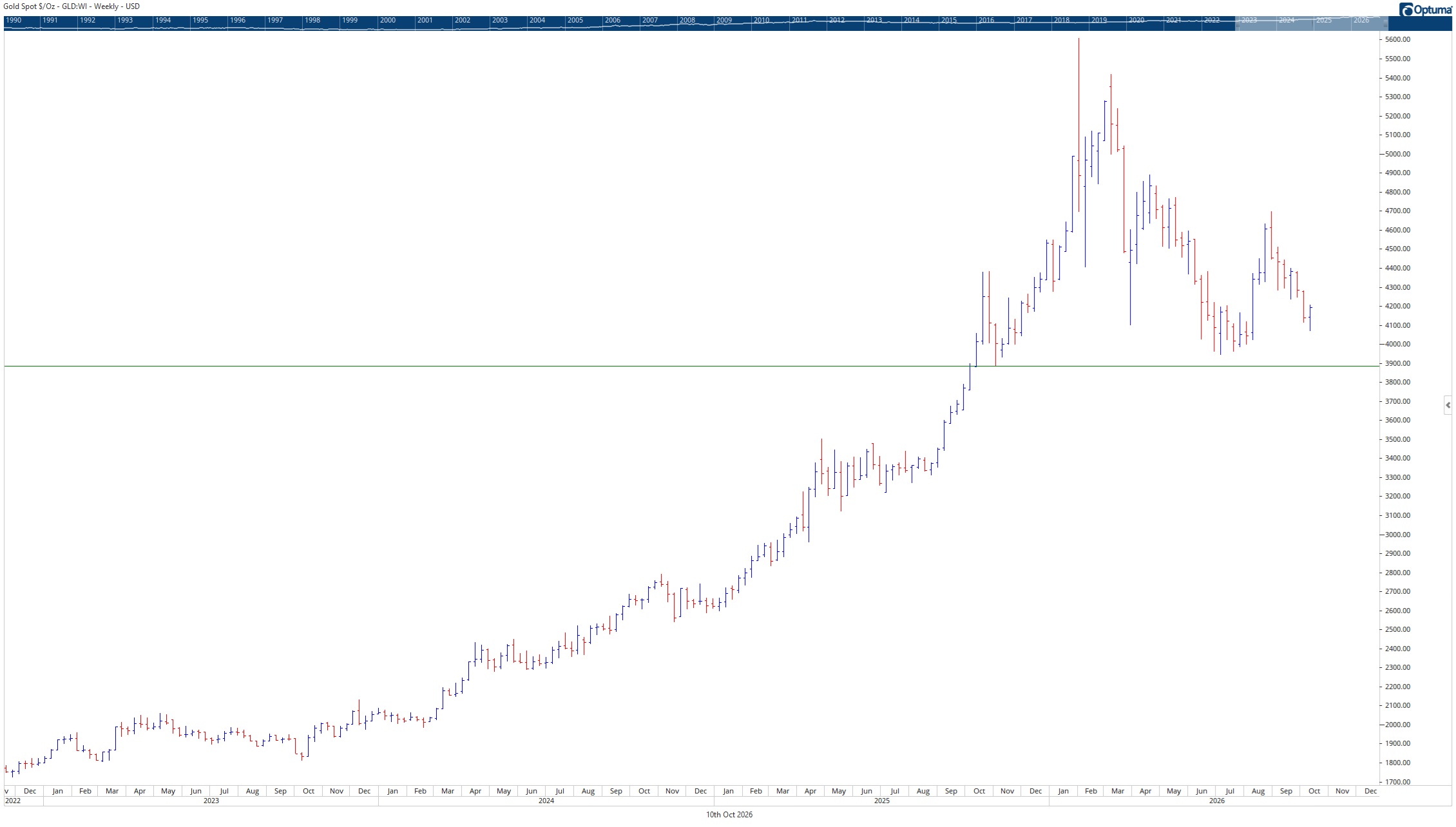
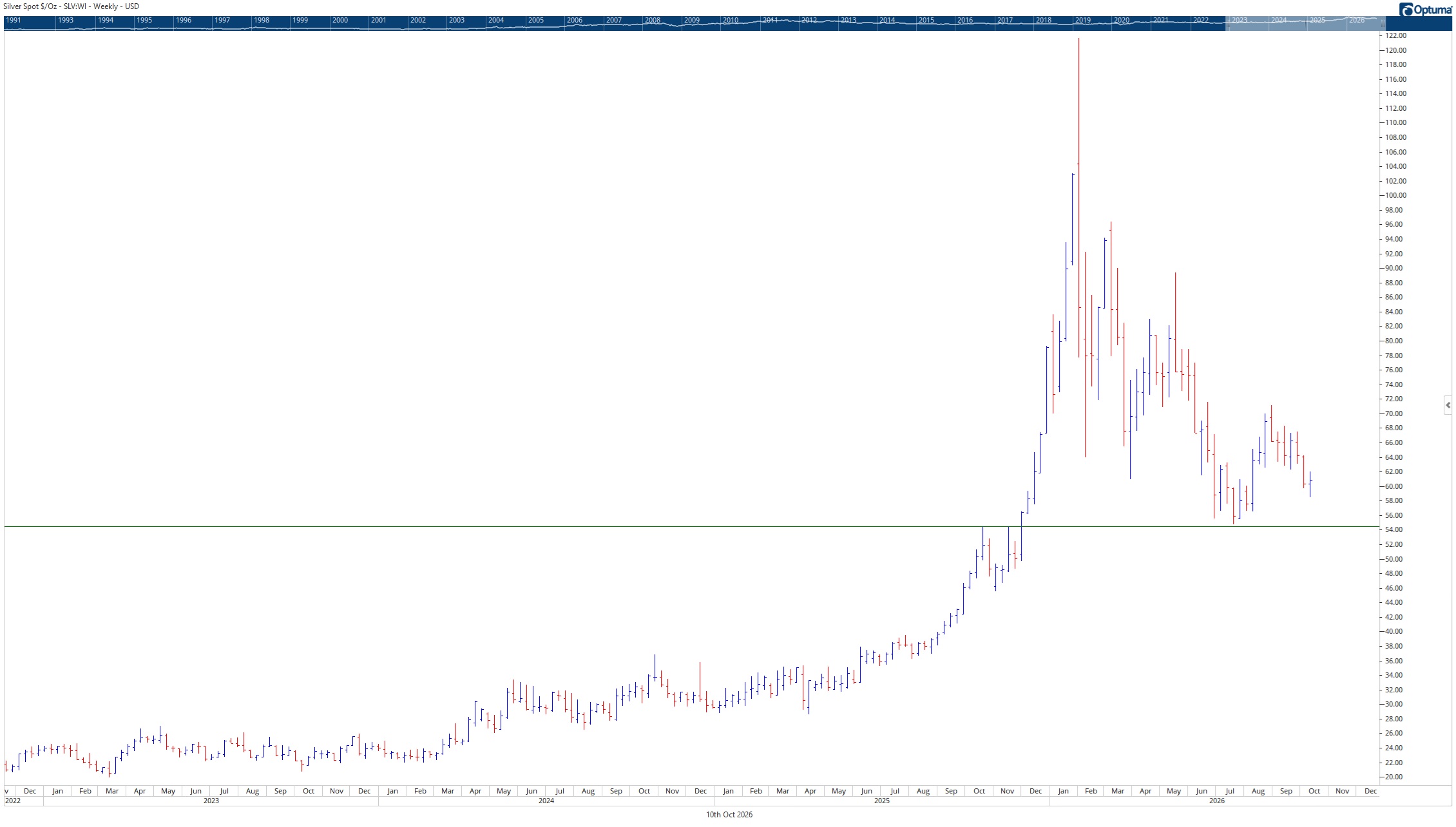
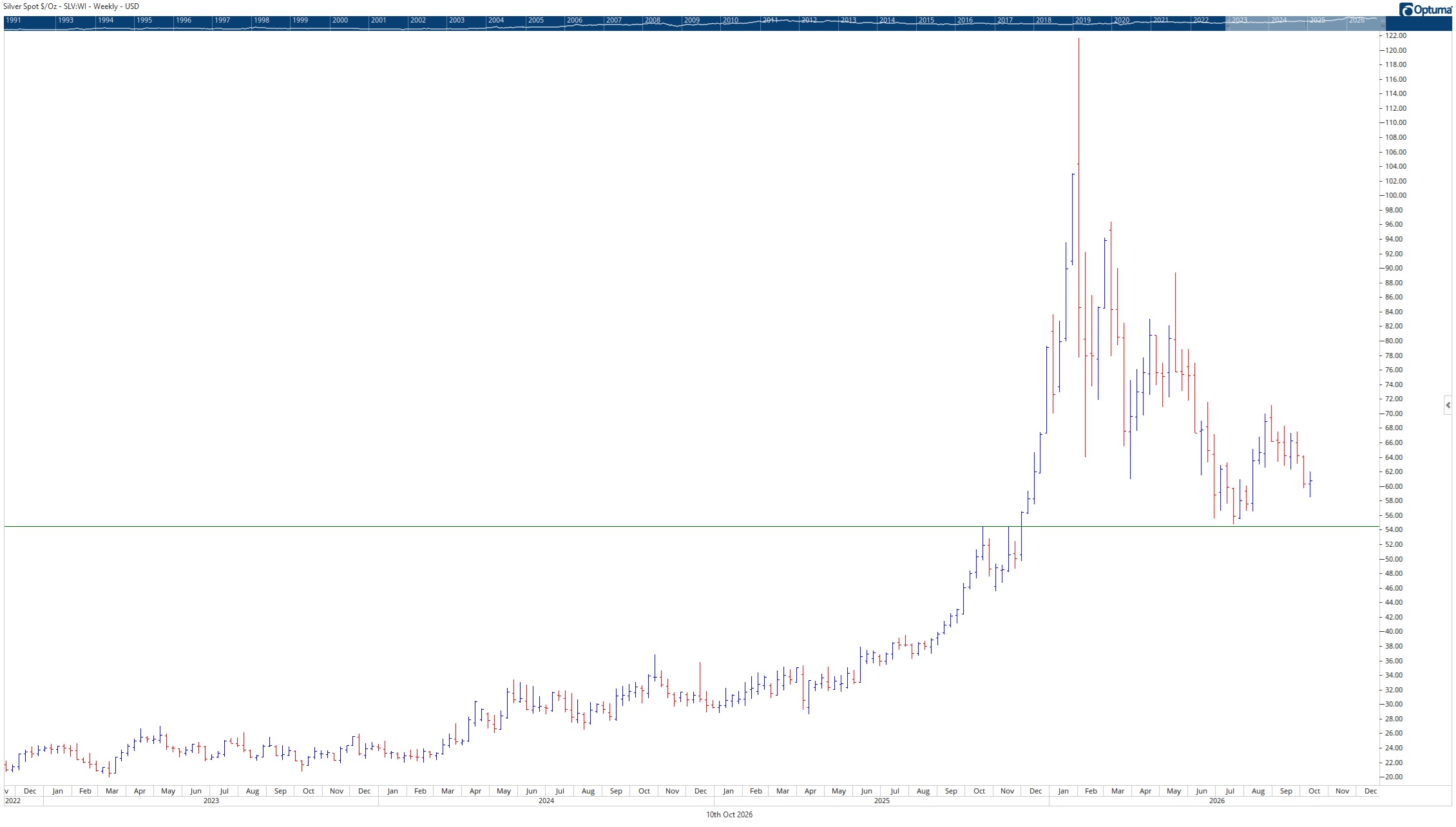
The U.S. Dollar Index continued to gain strength following last week’s breakout. Normally, that could pressure precious metals. Yet gold, represented by SPDR Gold Shares (GLD), and silver, represented by the iShares Silver Trust (SLV), both caught bids after approaching support earlier in the week. This is noteworthy. The precious metal scouts were tested but did not fully retreat. If the dollar continues to advance, gold and silver may face renewed pressure. If they hold support despite dollar strength, that would be an important sign of underlying demand.
Overall, the lower ranks are trying to reestablish themselves. The lieutenants and brass commanders advanced. The troops weakened but held critical trend support. The generals broke resistance but formed its own doji at the top of the range. Capital Weighted Volume and Capital Weighted Dollar Volume continued higher, but more slowly. Price has advanced, but the market still needs broader confirmation to prove this is healthy rotation rather than narrow index levitation.
Risk Command
The bulls still control the higher ground, but the perimeter is not fully secure. A short-term bullish outcome is for the Invesco QQQ Trust Series 1 to hold above 750 and pull the S&P 500 steadily up with renewed volume sponsorship. The preferred bullish long-term outcome is not simply a higher index price, but broader participation from the iShares Russell 2000 ETF, the Invesco S&P 500 Equal Weight ETF, the Schwab U.S. Dividend Equity ETF, and the NYSE Advance-Decline Line.
The danger is a narrow, generals-leading breakout while the broader ranks fail. That would leave the S&P 500 looking strong, but the army thinning underneath. In that environment, investors should avoid confusing a powerful command unit with a fully coordinated campaign.
Risk management remains the command posture. We emphasize risk management as the cornerstone of an investing methodology. The objective is not to win every skirmish. It is to defend critical ground, let volume serve as the trailblazer, and manage risk before it manages you. The generals have raised the flag, the ranks are trying to reassemble, and the next battle will determine whether this mature bull market has the broad participation required for longevity.
Grace and peace,
BUFF DORMEIER, CMT
Updated: 10/12/2026. Historical references do not assume that any prior market behavior will be duplicated. Past performance does not indicate future results. This material has been prepared by Kingsview Wealth Management, LLC. It is not, and should not, be regarded as investment advice or as a recommendation regarding any particular security or course of action. Opinions expressed herein are current opinions as of the date appearing in this material only. All investments entail risks. There is no guarantee that investment strategies will achieve the desired results under all market conditions and each investor should evaluate their ability to invest for the long term. Investment advisory services offered through Kingsview Wealth Management, LLC (“KWM”), an SEC Registered Investment Adviser.